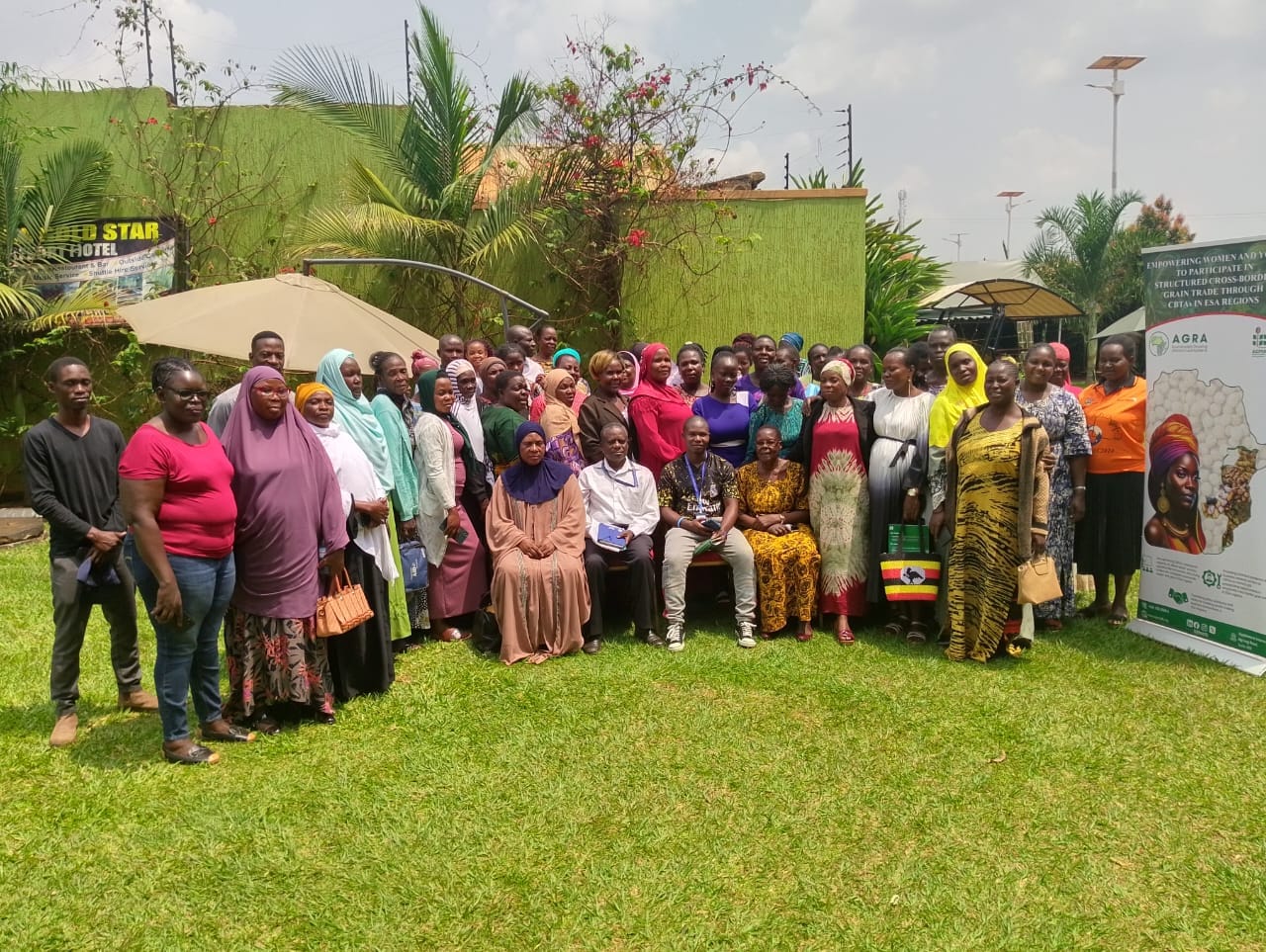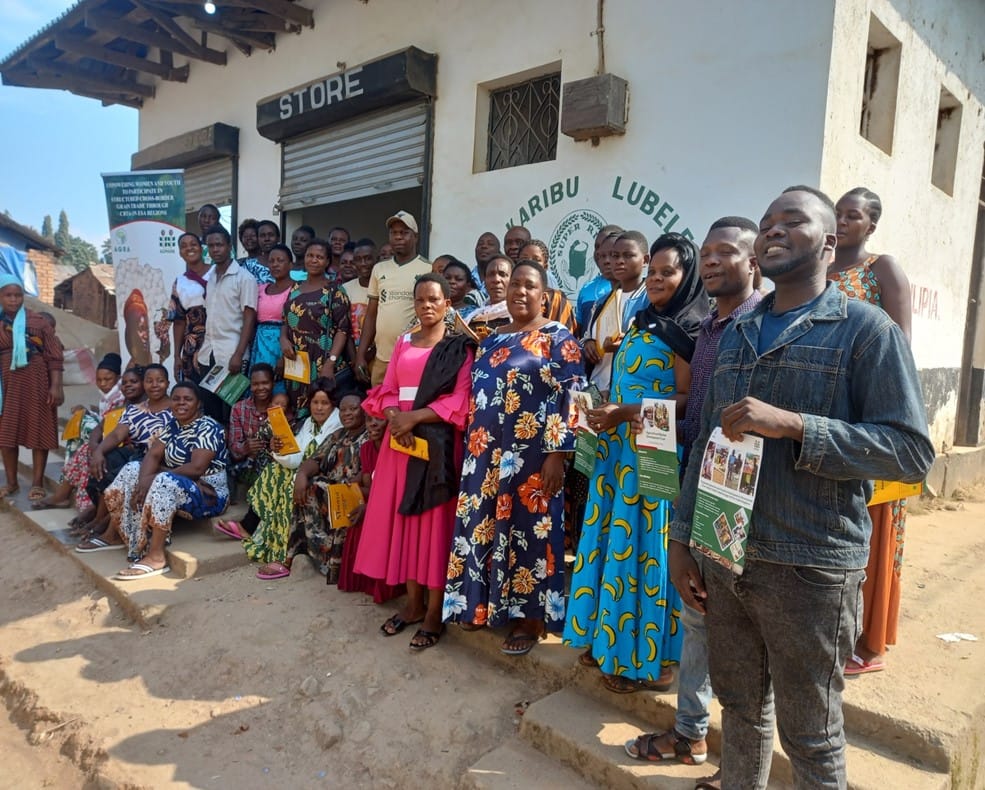
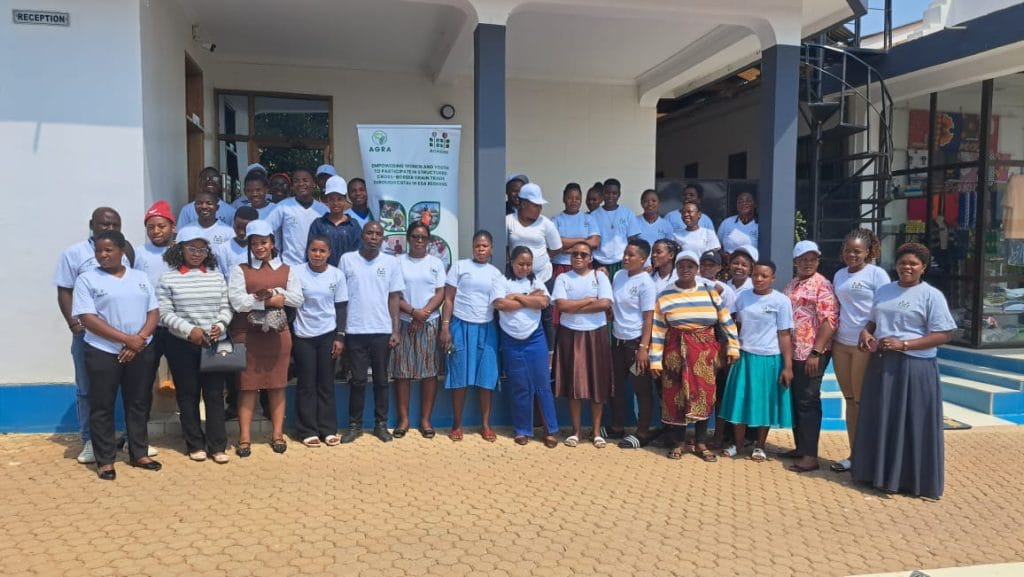
The Tunduma CBTA training in Tanzania brought together local traders and leaders to strengthen skills in grain standards, postharvest management, and market linkages. Trainers delivered sessions from October 20th to November 3rd 2025, and participants praised the practical focus on negotiation and contracting that helps formalize the smallholder supply chain.
Tunduma CBTA training activities and outcomes
Over several days the team ran modules on ESA grain standards, postharvest handling, and the COMESA Food Balance Sheet. Traders practiced documentation and contract terms. The training reinforced cross-border trader capacitation by linking smallholder volumes to buyers, and a visit to a local aggregation center illustrated how aggregation can reduce losses that FAO estimates at significant rates in Eastern Africa, improving both quality and income. FAO post-harvest losses report provides the regional context that made the postharvest sessions urgent and practical.
Also Read: Strengthening Cross-Border Grain Trade in Tunduma, Tanzania
How training improved trader visibility and networks
Participants welcomed branded T-shirts and caps, saying the items boosted visibility at market gates and customs posts, and the gear drew interest from neighboring groups. The Nakonde CBTA noticed the attire and the TIDO (Trade Information Desk Office) requested similar support, showing how simple investments in identity can strengthen Tanzania Zambia grain trade networks and open doors to formal channels that carry significant regional volumes.
A great standout moment for the team was meeting a Kenyan lady from Butere (Kakamega County, Kenya) at the Zambian-Tanzanian border, who was selling Maize from Tanzania into Zambia. She says her father used to run an agrovet in Sabatia (Butere) and was trained by AGMARK when she was only just a child in primary school back then. It is great to hear such impact stories and meet people directly impacted by the work that we do!
Market linkages and regional trade context
Trainers emphasized recording volumes traded and documenting contracts to support a shift from informal to structured flows, a step that aligns with COMESA efforts to ease border trade under the Simplified Trade Regime. Evidence from regional reports shows corridors like Tunduma move large maize volumes between East and Southern Africa, and tracking transactions helps small traders claim fair value and scale. See COMESA guidance on the STR for how simplified paperwork can reduce friction at borders.
Also Read:Nakonde CBTA Partners with AGMARK for Structured Grain Trade Skills Boost in Zambia
Challenges, lessons and practical recommendations
The field team recorded election-related disruptions that included internet shutdowns, curfews, and transport suspensions, which delayed mobilization and reporting. Recommendations include pre-deployment political risk analysis, contingency transport plans, stronger local partner coordination, and operational steps that CBTAs can adopt immediately. A World Bank story on the broader context on Cross-Border Trade in Zambia underscores why continuity matters for food security and trader incomes.
The Tunduma CBTA training showed that targeted capacity building, simple visibility tools, and farmer to trader linkages can change how small traders operate across borders. AGMARK will follow up with partners to scale these practices, and CBTAs that document volumes and formalize contracts will be better placed to benefit from regional markets and effective job creation for women and youth in these ESA regions like Tunduma. Creating jobs requires
sustained investment in relevant skills to raise productivity, expand employment, and increase wages , along with reforms that create a business-friendly environment, and efforts to mobilize private capital.
Traders, donors, and ag officers are invited to support follow up activities and contact AGMARK for partnership details.